
Embracing a Greener Holi: Nadia KVK’s Revolutionary Herbal Abir Initiative
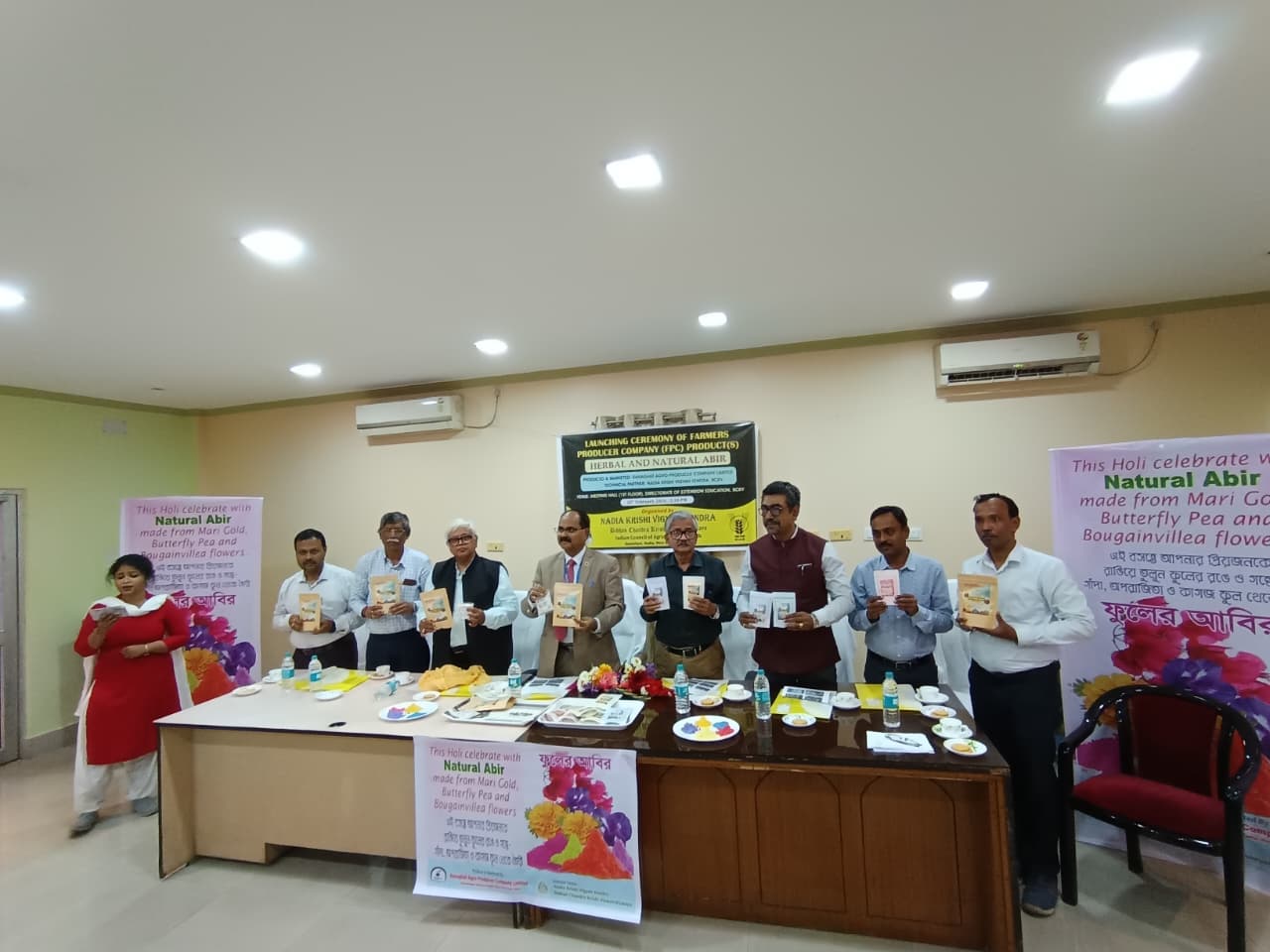
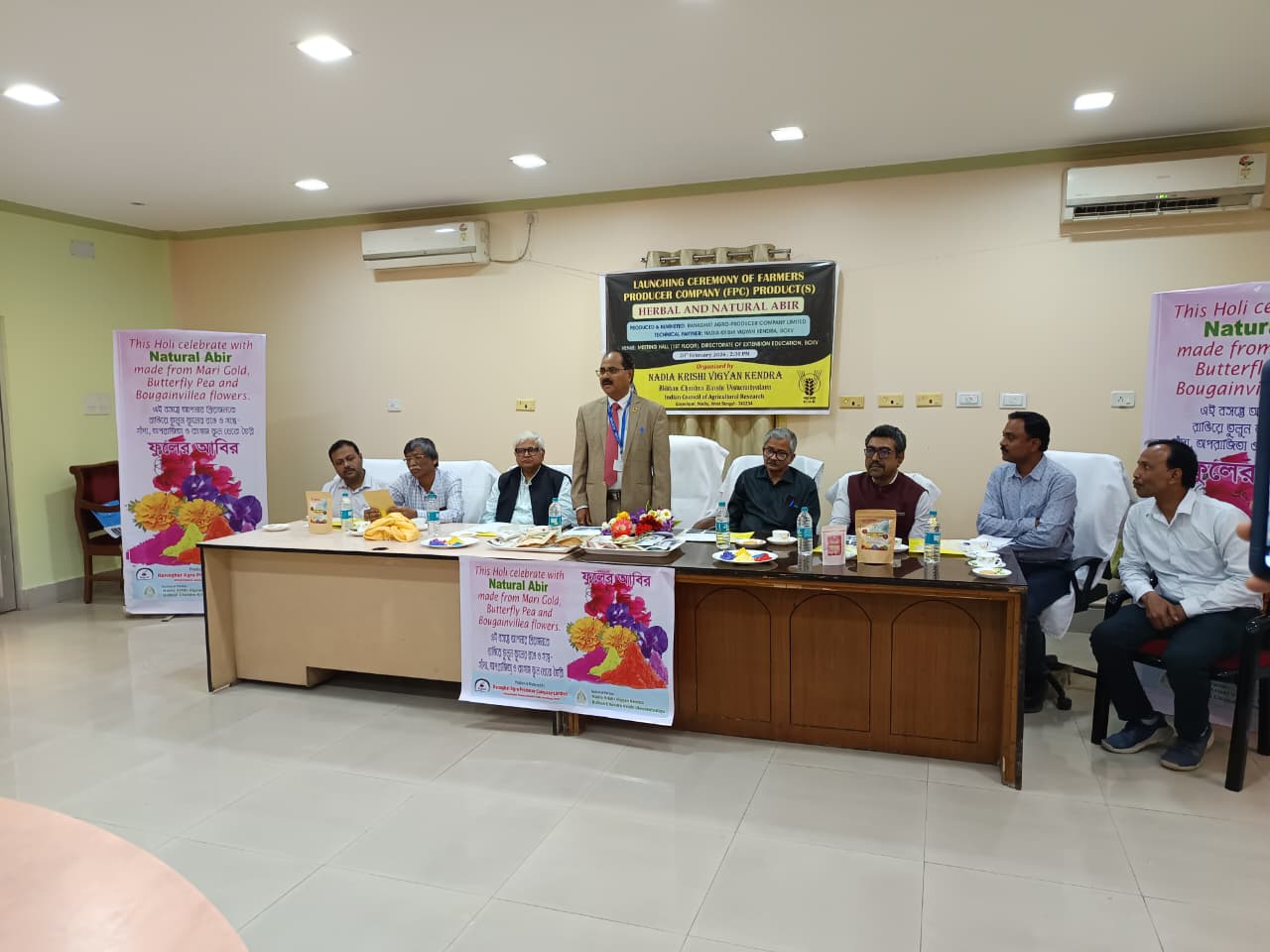
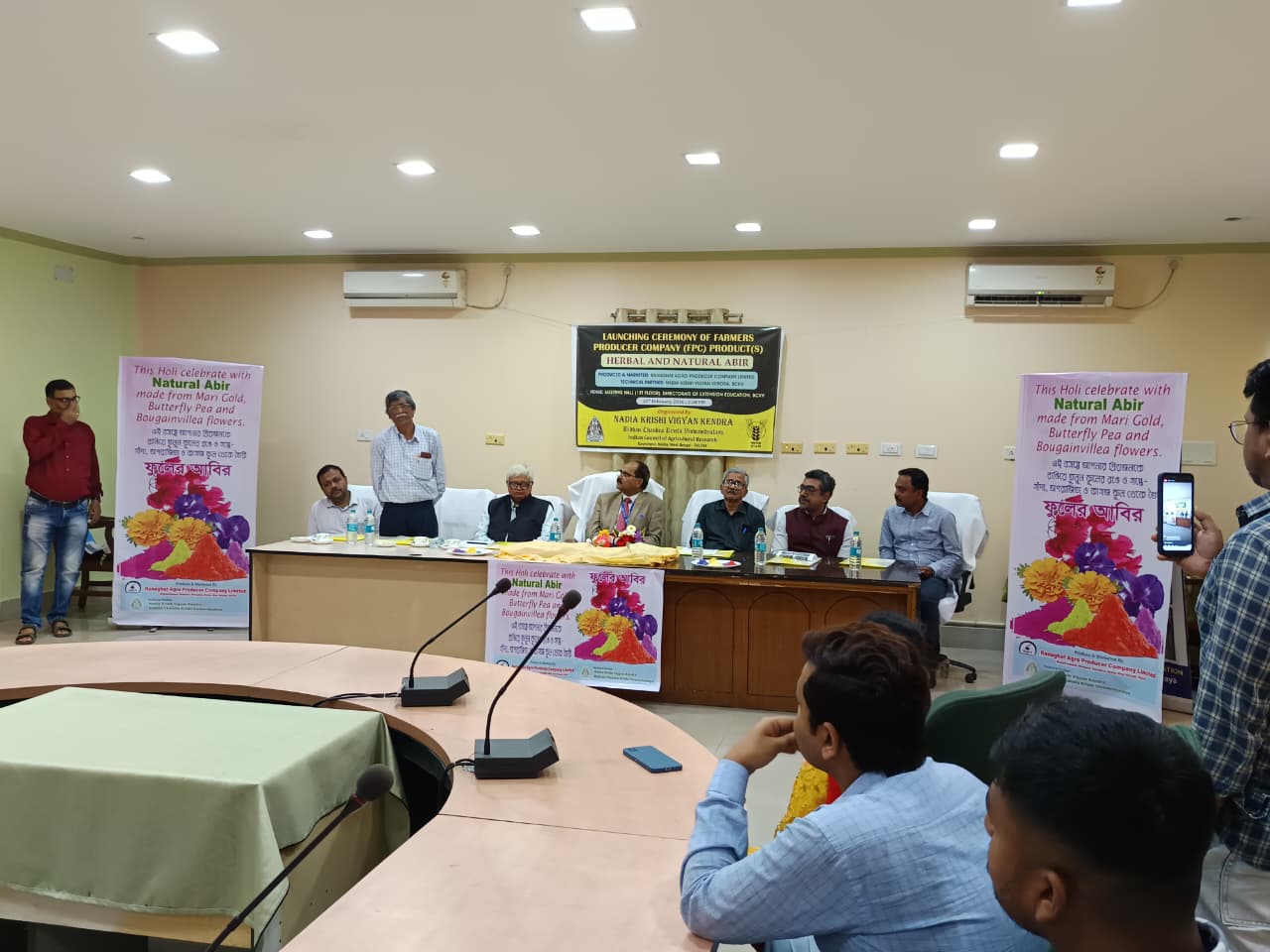
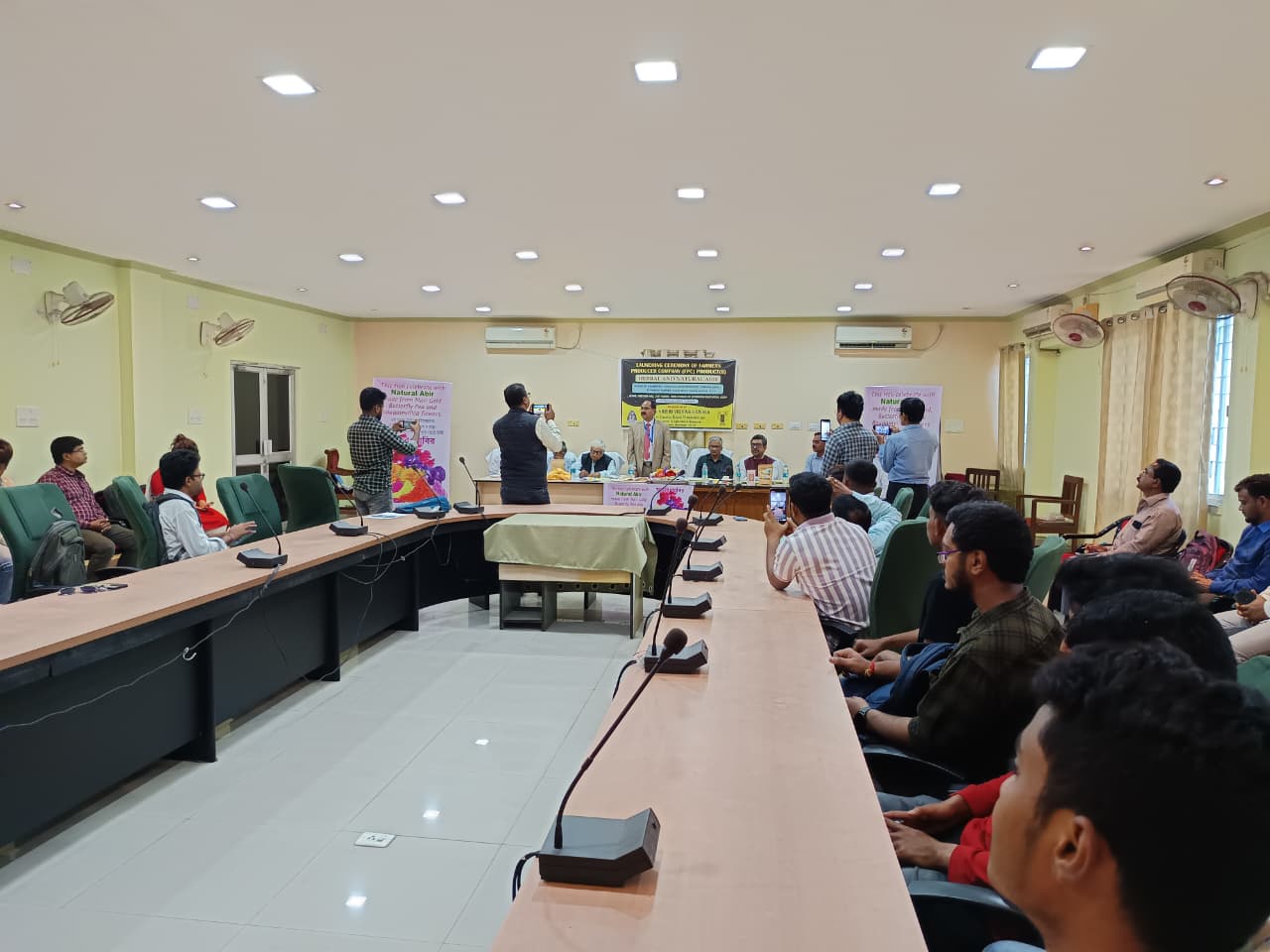
The festival of colors is about to get a vibrant, eco-friendly makeover! In a significant move toward sustainability and rural empowerment, Nadia Krishi Vigyan Kendra, Bidhan Chandra Krishi Viswavidyalaya (BCKV) has officially launched its Herbal & Natural Abir Initiative.
This project isn’t just about safer celebrations; it’s a brilliant example of how agricultural innovation can transform waste into “colored gold” for local farmers.
 |
 |
 |
From Farm Waste to Festive Color
One of the most inspiring aspects of this initiative is its focus on circular economy. The Nadia Krishi Vigyan Kendra (KVK), under the administrative control of BCKV, is utilizing surplus flowers and vegetables that would otherwise go to waste due to overproduction.
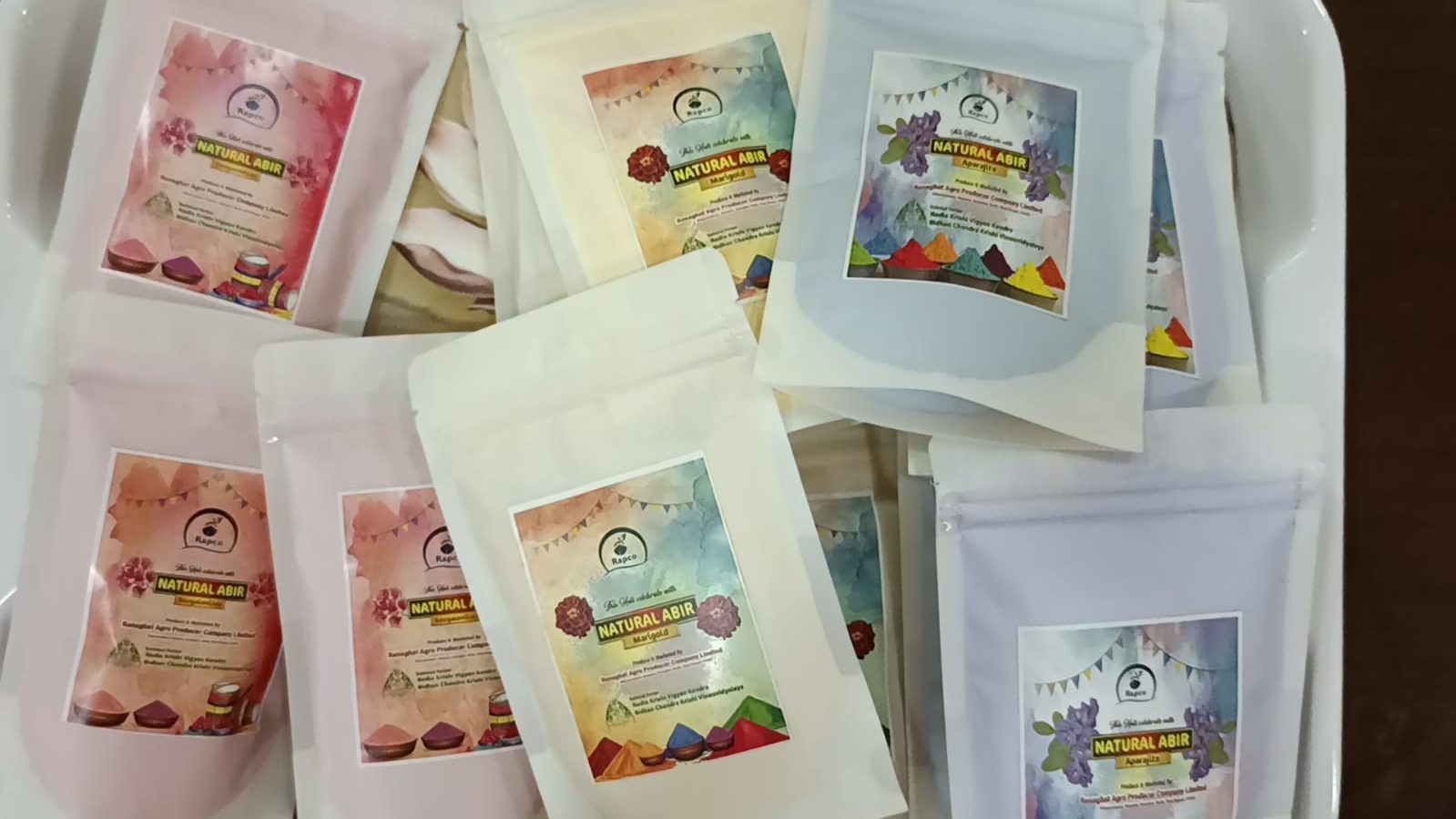
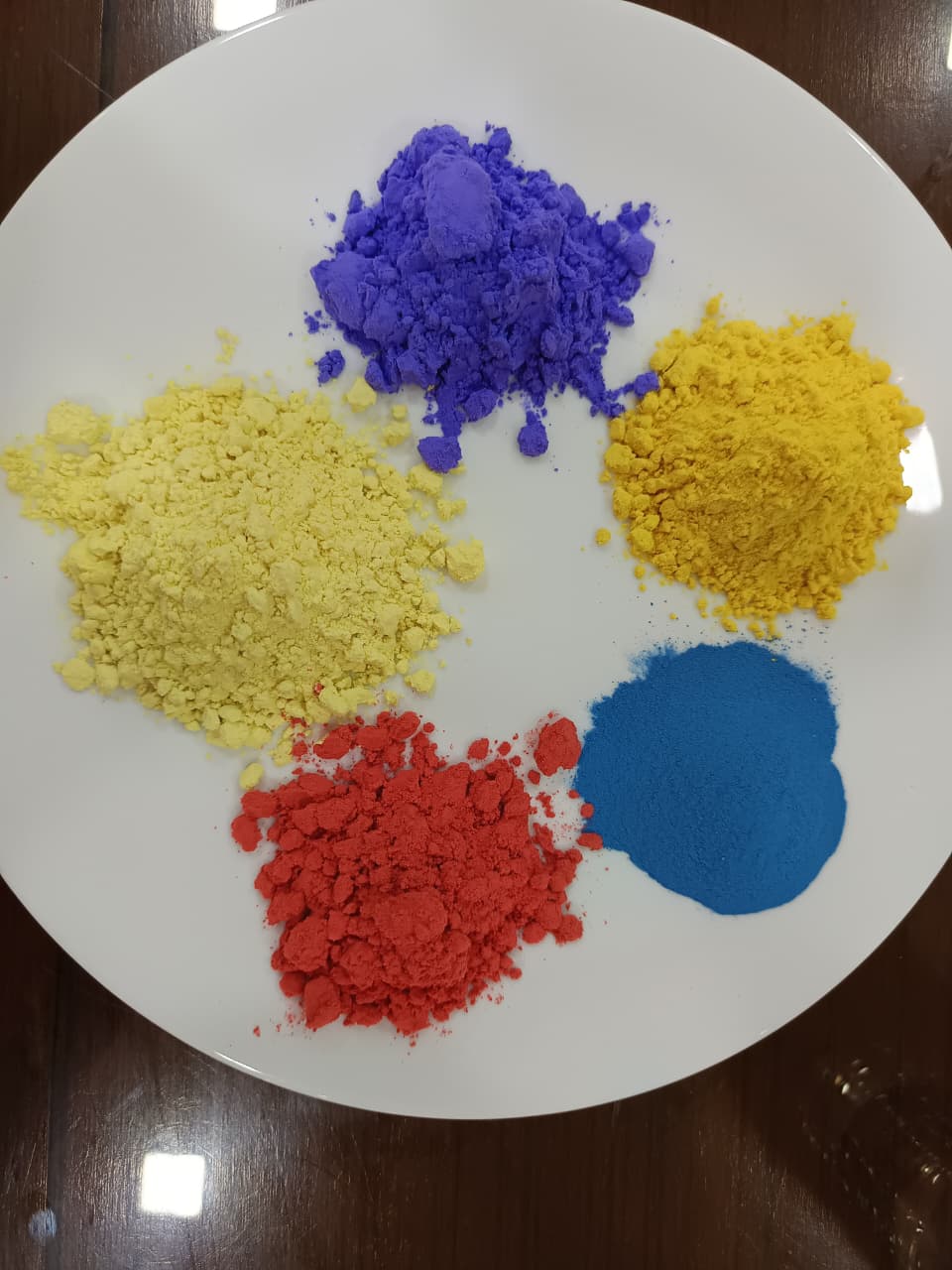
What’s inside your eco-friendly packet?
- Flowers: Marigold, rose, and bougainvillea.
- Vegetables: Spinach, beetroot, and carrot.
- Spices: Turmeric for that perfect yellow.
- Fragrance: Natural essences of jasmine and rose.
Why Make the Switch?
Unlike synthetic dyes that can cause skin irritation and environmental damage, this natural abir is:
- Skin-Safe: Processed to maintain safe pH levels.
- Water-Soluble: Easy to wash off and harmless to water systems.
- Chemical-Free: 100% plant-based ingredients.
Empowering Local Farmers
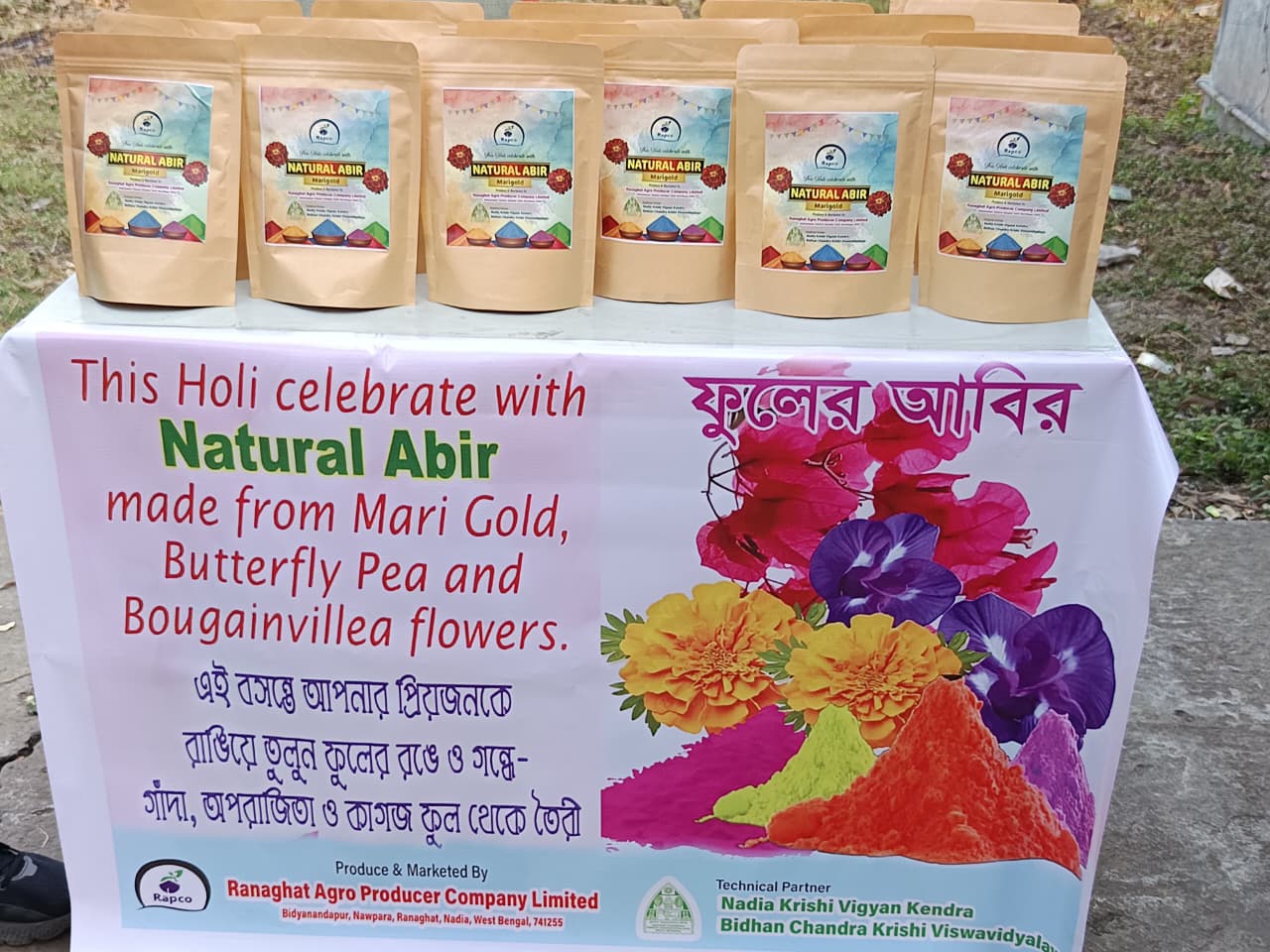
Ranaghat Agro Producer Company Limited, is a game-changer for rural entrepreneurship. The math is simple but powerful:
- Raw Surplus Flowers: ~₹5 per kg
- Processed Herbal Abir: ~₹50 per kg
By adding value to their produce, farmers can see a tenfold increase in their returns. With an annual production target of two tonnes, the impact on the local economy is set to be substantial.
 |
 |
 |
A Vision for the Future
Inaugurated by Dr. A.K. Patra, Hon’ble Vice-Chancellor, BCKV this project serves as a model for sustainable agricultural practices. It proves that we can celebrate our traditions joyfully without compromising our health or the planet’s well-being.
This Holi, let’s choose colors that are kind to our skin and supportive of our farmers.